
Fleet Vehicle Maintenance Program: A Complete Guide to Efficiency, Safety, and Cost Control

A fleet is only as reliable as its maintenance program. Whether you operate a medical waste transportation service, a logistics company, or a service-based fleet, vehicle performance directly affects your ability to deliver consistent, timely, and compliant service. Breakdowns, delays, and unexpected repairs do not just increase costs; they disrupt operations and damage customer trust.
A well-designed fleet vehicle maintenance program shifts your operations from reactive problem-solving to proactive performance management. It helps extend vehicle lifespan, reduce downtime, improve safety, and ensure regulatory compliance.
This guide outlines how to build and optimize a fleet maintenance program that supports long-term operational success.
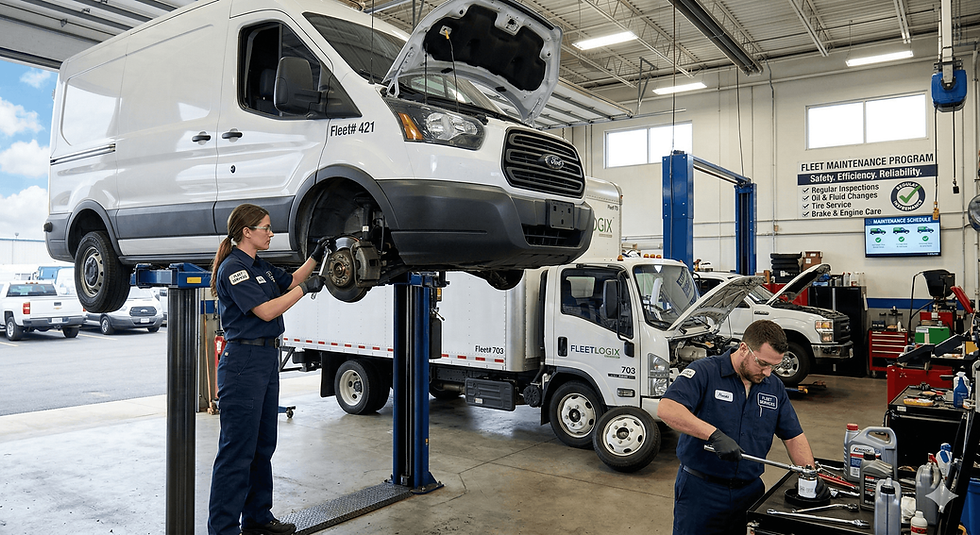
What Is a Fleet Vehicle Maintenance Program?
A fleet vehicle maintenance program is a structured system for inspecting, servicing, repairing, and tracking all fleet vehicles. It includes preventive maintenance schedules, inspection protocols, repair tracking, and documentation processes.
Instead of waiting for vehicles to fail, a maintenance program ensures issues are identified and resolved early, reducing costly breakdowns and improving reliability.
Why Fleet Maintenance Matters
1. Reduces Operational Downtime: Unexpected vehicle breakdowns can disrupt routes, delay services, and increase labor costs. Preventive maintenance minimizes these disruptions by addressing issues before they escalate.
2. Improves Safety: Fleet vehicles often operate under demanding conditions. Regular inspections and servicing reduce the risk of accidents caused by mechanical failure, protecting both drivers and the public.
3. Lowers Long-Term Costs: Routine maintenance is significantly more cost-effective than emergency repairs. Replacing worn components early prevents expensive damage to major systems.
4. Supports Regulatory Compliance: Industries such as medical waste transportation must meet strict safety and documentation requirements. A structured maintenance program ensures vehicles remain compliant with safety standards.
Key Components of an Effective Fleet Maintenance Program
1. Preventive Maintenance Scheduling
Preventive maintenance is the backbone of any successful program. It includes routine servicing such as:
Oil and filter changes
Brake inspections
Tire rotations and replacements
Fluid checks
Engine diagnostics
Maintenance should be scheduled based on mileage, engine hours, or time intervals.
2. Regular Vehicle Inspections
Daily and periodic inspections help identify issues early. These should include:
Pre-trip and post-trip driver inspections
Weekly or monthly detailed inspections
Annual compliance checks
Drivers should be trained to report issues immediately to prevent escalation.
3. Digital Maintenance Tracking
Manual logs are prone to errors and delays. Modern fleet operations rely on digital systems to:
Track service history
Schedule maintenance alerts
Monitor vehicle performance
Store inspection reports
Digital tracking ensures nothing is missed and provides audit-ready documentation.
4. Repair and Work Order Management
Every repair should be documented with:
Issue description
Repair actions taken
Parts replaced
Service date and cost
This data helps identify recurring problems and optimize maintenance strategies.
5. Inventory and Parts Management
Maintaining an inventory of commonly used parts reduces downtime. Delays in sourcing parts can keep vehicles off the road longer than necessary.
Preventive vs. Reactive Maintenance
Many fleets still rely on reactive maintenance, fixing vehicles only after something breaks. This approach leads to:
Higher repair costs
Increased downtime
Safety risks
Reduced vehicle lifespan
Preventive maintenance, on the other hand, focuses on early intervention. It reduces the likelihood of unexpected failures and ensures smoother operations.
Using Technology to Improve Fleet Maintenance
Technology plays a critical role in modern fleet management. Fleet Management Software systems can:
Send automated service reminders
Track vehicle diagnostics in real time
Monitor driver behavior
Integrate with routing and dispatch systems
For industries like medical waste transportation, integrating maintenance tracking with routing and compliance systems ensures vehicles are always road-ready and audit-compliant.
Best Practices for Fleet Maintenance Programs
Standardize Maintenance Procedures
Create clear maintenance schedules and checklists for all vehicles.
Train Drivers
Drivers are the first line of defense. Proper training helps them identify and report issues early.
Monitor Key Metrics
Track metrics such as:
Maintenance cost per vehicle
Downtime frequency
Mean time between failures
Schedule Maintenance During Off-Peak Hours
Minimize operational disruption by servicing vehicles when they are not in active use.
Maintain Detailed Records
Accurate records support compliance, audits, and long-term planning.
Common Mistakes to Avoid
Ignoring minor issues until they become major problems
Skipping scheduled maintenance
Poor documentation practices
Lack of driver accountability
Relying on outdated manual systems
Avoiding these mistakes can significantly improve fleet performance.
Conclusion
A strong fleet vehicle maintenance program is not optional. It is essential for operational efficiency, safety, and cost control. Businesses that invest in preventive maintenance, digital tracking, and structured processes gain a clear competitive advantage.
By reducing downtime, improving reliability, and ensuring compliance, a well-managed fleet becomes a powerful asset rather than a constant challenge.
FAQs
Q1: What is the difference between fleet maintenance and fleet management?
Fleet maintenance refers to the actual mechanical servicing and repair of vehicles (such as oil changes and brake repairs). Fleet management is the broader strategic oversight that includes maintenance, fuel tracking, driver safety, vehicle acquisition, and regulatory compliance.
Q2: How does a fleet maintenance program reduce operational costs?
A structured program reduces costs by preventing expensive emergency repairs through proactive part replacement. It also improves fuel efficiency through regular engine tuning and tire maintenance, while extending the vehicle's total lifespan and delaying the need for costly new asset purchases.
Q3: What should be included in a fleet maintenance checklist?
A comprehensive fleet maintenance checklist must include:
Engine & Fluids: Oil levels, coolant, and transmission fluid.
Braking System: Pads, rotors, and brake lines.
Tires: Tread depth and air pressure.
Safety Lights: Headlights, signals, and brake lights.
Steering & Suspension: Alignment and shock absorbers.
Q4: How often should fleet vehicles be serviced?
Fleet service intervals are typically based on mileage (e.g., every 5,000–10,000 miles), engine hours, or time (e.g., every 6 months). The exact frequency depends on the vehicle type (light vs. heavy-duty) and the severity of operating conditions.
Q5: What is the role of the driver in fleet maintenance?
Drivers are the "first line of defense." Their role involves performing daily Pre-Trip and Post-Trip inspections (DVIRs) and reporting unusual noises, vibrations, or dashboard warning lights immediately to prevent minor issues from becoming catastrophic failures.


Comments